Sea-Can Containers Ltd.
Sea-Can Containers has the shipping containers you need
Leading Container Solutions Alberta
Sea-Can Containers Ltd is proud to be the largest distributor of shipping containers in Alberta. We are a local, Alberta-based company that has been providing welding and fabrication services, and producing high quality wooden pallets and crates, and container modifications since 1976.
Contact us:
Sea-Can Containers Ltd.
11043 201 St NW, Edmonton, AB T5S 2N3, Canada
(780) 440-4037
Sea can Containers Edmonton
Sea-Can Containers Ltd.: what they actually provide, and how to use it without creating problems later
Sea-Can Containers Ltd. is based in Edmonton, Alberta and has been operating since 1976. They sell shipping containers, rent them, and do container modifications. On top of that, they manufacture industrial wood products like pallets, crates, and heavy-duty outrigger pads, and they run a welding and fabrication shop in Edmonton. Their site also frames them as a very large container retailer in Western Canada, with a focus on keeping inventory physically on the ground in West Edmonton and serving a wide Northern Alberta service area.
If you’re trying to figure out whether a company like this is relevant to you, the answer is usually tied to one thing: you have a storage or logistics problem that needs a physical solution, not a software solution. Containers, crates, and fabrication work show up when tools go missing on job sites, when you need secure storage for equipment, when you’re shipping products that can’t get damaged, or when you need a custom setup and don’t want to coordinate five different vendors.
Quick snapshot of what Sea-Can Containers Ltd. does
They break their offering into a few major categories:
- Shipping containers for sale (new and used, multiple sizes and configurations)
- Container rentals (used containers, inspected and recertified to meet industry standards)
- Container modifications (doors, windows, insulation, roll-up doors, shelving, electrical, and more)
- Industrial wood products manufacturing (pallets, shipping crates, outrigger pads, pipe bunks and related supports)
- Welding and fabrication services (including sea-can mods, skids, structural steel items, tanks, and oilfield-related builds)
That mix matters. A lot of places only sell containers and outsource the modifications. Others only do fabrication and don’t have the inventory. Here, the model is more integrated.
Shipping container sales: what the “inventory” part changes in real life
Sea-Can Containers Ltd. emphasizes a large privately owned inventory in their West Edmonton yard. In practical terms, that can reduce the risk of buying something sight-unseen through a chain of brokers. With containers, condition is everything. You can’t judge it properly from a single photo and a short description.
They list several sizes and types that come up a lot:
Mini containers
Mini containers are listed in sizes like 8-foot units, including standard height and high cube. The page includes real specs like internal volume and max gross weight. For example, an 8-foot standard unit is shown at roughly 268 cubic feet internal volume and a max gross weight around 13,230 lb, with door opening measurements provided. A high cube version increases height and internal volume.
Why this is useful: small containers solve real constraints. Not every customer can place a 20-foot container. Some sites are tight. Some customers want something that fits in a yard or behind a facility without taking up everything.
Common mini-container uses:
- small tool and equipment storage
- seasonal storage that needs to be lockable
- job sites where access and maneuvering space are limited
20-foot containers
They show multiple 20-foot options like used and new units, standard height and high cube, plus special layouts like double door and open side. Those configurations are not cosmetic. They change how you can load and access the space.
A common mistake is buying a standard end-door container and then realizing your workflow requires side access, or that you need to load items that don’t fit comfortably through the end doors. Open side containers are often chosen for easier access when you’re using the container like a mini-warehouse.
40-foot containers
They also list 40-foot containers and show the typical mix of standard and high cube. This size matters when you need more capacity or you want to build out a more functional interior, like a workshop or a multi-zone storage setup. Again, measurements and weights matter if you’re planning delivery and placement.
Rentals: when renting saves you money and stress
Sea-Can Containers Ltd. rents used containers and talks about flexible rental options. Renting usually makes sense when:
- your project has an end date
- you only need storage during peak periods
- you want to avoid the capital cost of buying
The detail on their site that stands out is inspection and recertification by a Certified Container Surveyor. People underestimate what can go wrong with a container that isn’t checked properly. Doors can look fine and still be misaligned. Seals can be worn. Floors can be damaged. If you only notice these issues after it arrives, your options shrink fast.
They also mention delivery and setup services. Delivery is a real failure point if you don’t plan it. You need to think about:
- turning radius for the truck
- ground conditions where it’s being placed
- clearance for unloading
- how the container will be leveled
If the container isn’t placed correctly, it can twist slightly and then the doors don’t work smoothly. People end up forcing them, bending hardware, and creating leaks or security gaps. That’s not an edge case. It happens constantly.
Modifications: where money gets wasted if you don’t plan it first
Sea-Can Containers Ltd. lists common modifications like man doors, windows, insulation, roll-up doors, shelving, and electrical systems. These are the popular ones, and they’re popular because stock containers are not comfortable to use for many real-world jobs.
But modifications are where people overspend and still end up unhappy.
Man doors
Man doors are about convenience and access. If you’re opening the container multiple times per day, end doors get old fast. A man door is a big quality-of-life upgrade. The mistake is placing the door where it interferes with storage layout or where security is weaker. You want to think about how the site is approached and what side is more exposed.
Windows
Windows help when the container is being used as a workspace, office, or something that needs light. But windows also create security and insulation decisions. If you add windows without planning for climate and condensation, you can get moisture issues inside.
Insulation
Insulation is one of the most misunderstood upgrades. Containers are steel boxes. Steel transfers temperature quickly. In cold climates, condensation becomes a problem. If insulation and vapor control are not handled correctly, you can create a damp interior that damages stored materials, promotes mold, and accelerates corrosion. It’s not enough to ask for “insulation.” You need a plan that matches the intended use.
Roll-up doors and shelving
Roll-up doors improve loading and access. Shelving improves organization. But the workflow inside the container needs to be mapped first. Otherwise you get shelving that blocks access or a door that opens to a layout that makes no sense. It’s basic, but people skip it.
Industrial wood products: pallets, crates, and heavy-duty supports
Sea-Can Containers Ltd. also manufactures industrial wood products in a 12,000 square foot facility in West Edmonton and notes being an ISPM-15 registered facility. That matters for any business that ships goods across borders. ISPM-15 compliance can determine whether your shipment moves smoothly or gets delayed or rejected.
Pallets
They build custom pallets of any size and emphasize compliance. A frequent mistake is ordering pallets based purely on size and ignoring load rating, handling method, and shipping rules. If your pallets fail in transit, the cost is not just replacing a pallet. It’s product damage and missed delivery windows.
Shipping crates
They also offer custom crates with options like hinged lids, latched doors, and custom interiors. The “custom interior” part is important. A crate that actually restrains and supports the product reduces movement and impact damage. A generic crate can be worse than no crate if it allows the product to shift and get hit inside the enclosure.
They also describe a reusable, collapsible “Sea-Can Crate” that’s used for industrial materials and designed for harsh conditions, with examples of capacities and the fact that it collapses to save space when not in use. If your operation is remote or you’re hauling materials that are heavy, messy, or regulated, reusable crates can cut ongoing costs and reduce handling issues.
Outrigger pads
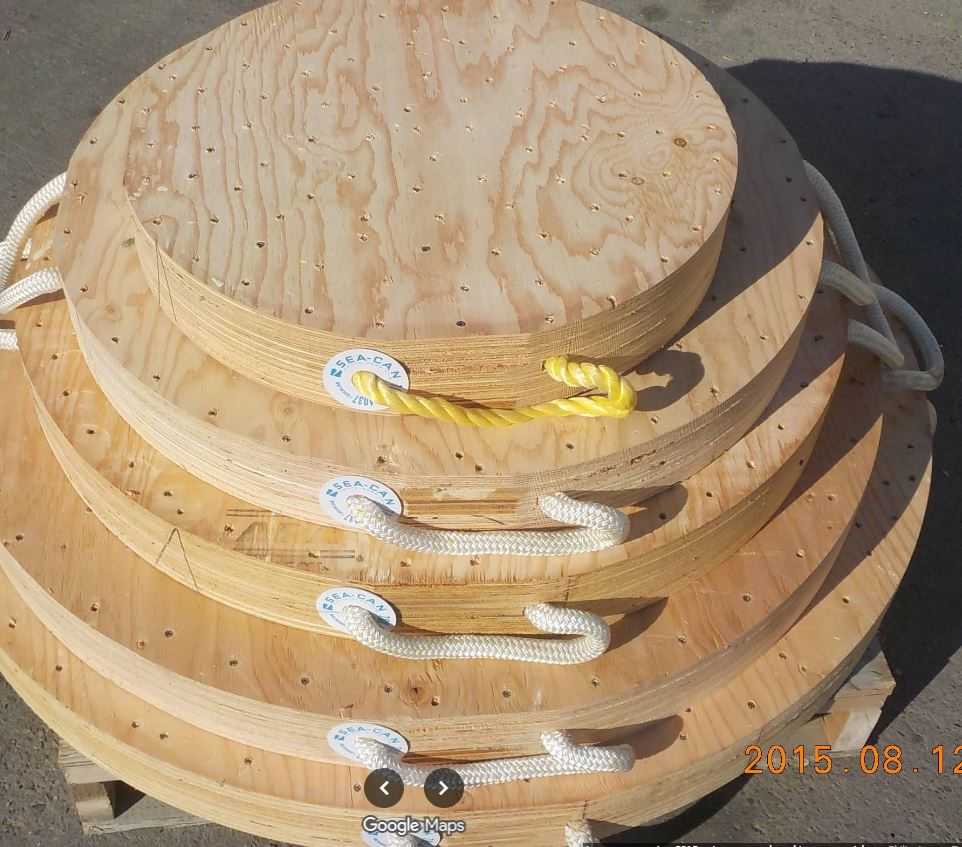
They manufacture outrigger pads built from multiple layers of plywood with rope handles, and they state these are tested to be three times stronger than plastic versions, available in diameters from 12 inches to 48 inches. For crane and heavy equipment work, this is a safety and stability issue. Choosing the wrong pad size or using pads on poor ground can lead to equipment shift or sinking. That’s a serious problem, not just an inconvenience.
Welding and fabrication: not just “container stuff”
Their Edmonton welding shop is described as 7,800 square feet, with two five-ton overhead cranes and a plasma table, plus a CWB Division 2 certification. They list capabilities like oilfield skids, stairways and platforms, mud tanks, and service rig components, including recertifications.
This is relevant if your container project is tied to industrial work that needs structural fabrication. It’s often better to have modifications and fabrication handled by a shop with the right equipment and certification framework, rather than piecing it together through smaller contractors who may not have the same capacity.
What usually goes wrong when people buy containers or packaging
Here are the practical failures that show up repeatedly:
- Underestimating site preparation. Bad placement leads to door problems and water pooling.
- Buying without understanding configuration needs. End doors vs open side vs double door is not a small decision.
- Treating insulation as a simple add-on. Condensation planning gets ignored, then contents get damaged.
- Skipping compliance on wood packaging. Non-compliant pallets or crates create shipping delays and extra costs.
- Ordering modifications without a workflow plan. The container ends up awkward to use, and money gets wasted.
Sea-Can Containers Ltd. is structured around preventing some of these issues by combining supply, customization, manufacturing, and fabrication in one operation. But the bigger point is this: containers and industrial packaging only work well if the customer plans the use case clearly. When the plan is vague, the product might still be delivered, but the outcome is usually frustration and rework.
Top Shipping Solutions Today
Premium containers tailored for your business needs
Shipping Containers
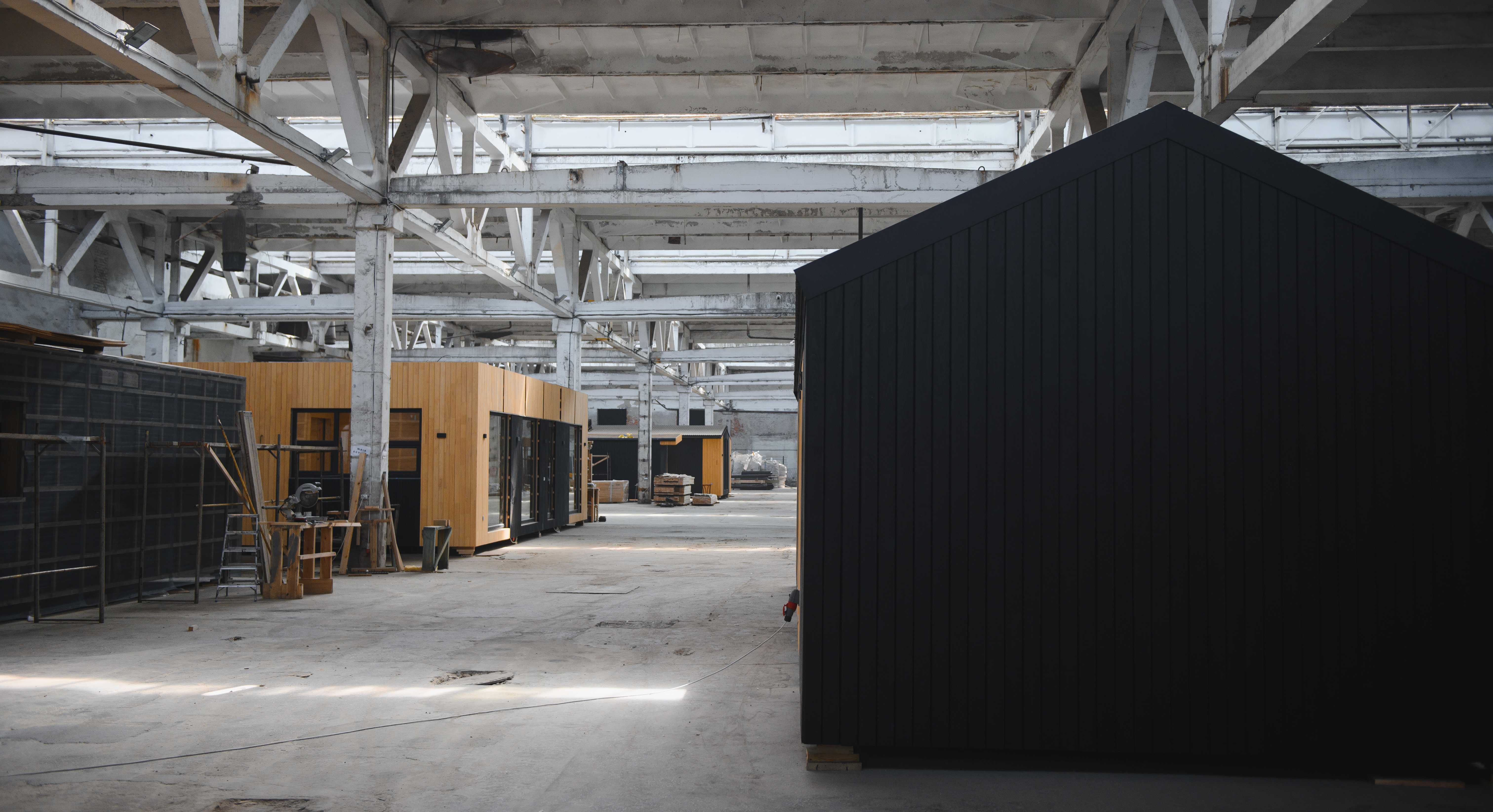
Sea-Can Containers Ltd. has the largest privately owned inventory of new and used shipping containers in Western Canada. We stock all different sizes and configurations in our yard located in West Edmonton.
Container Modifications
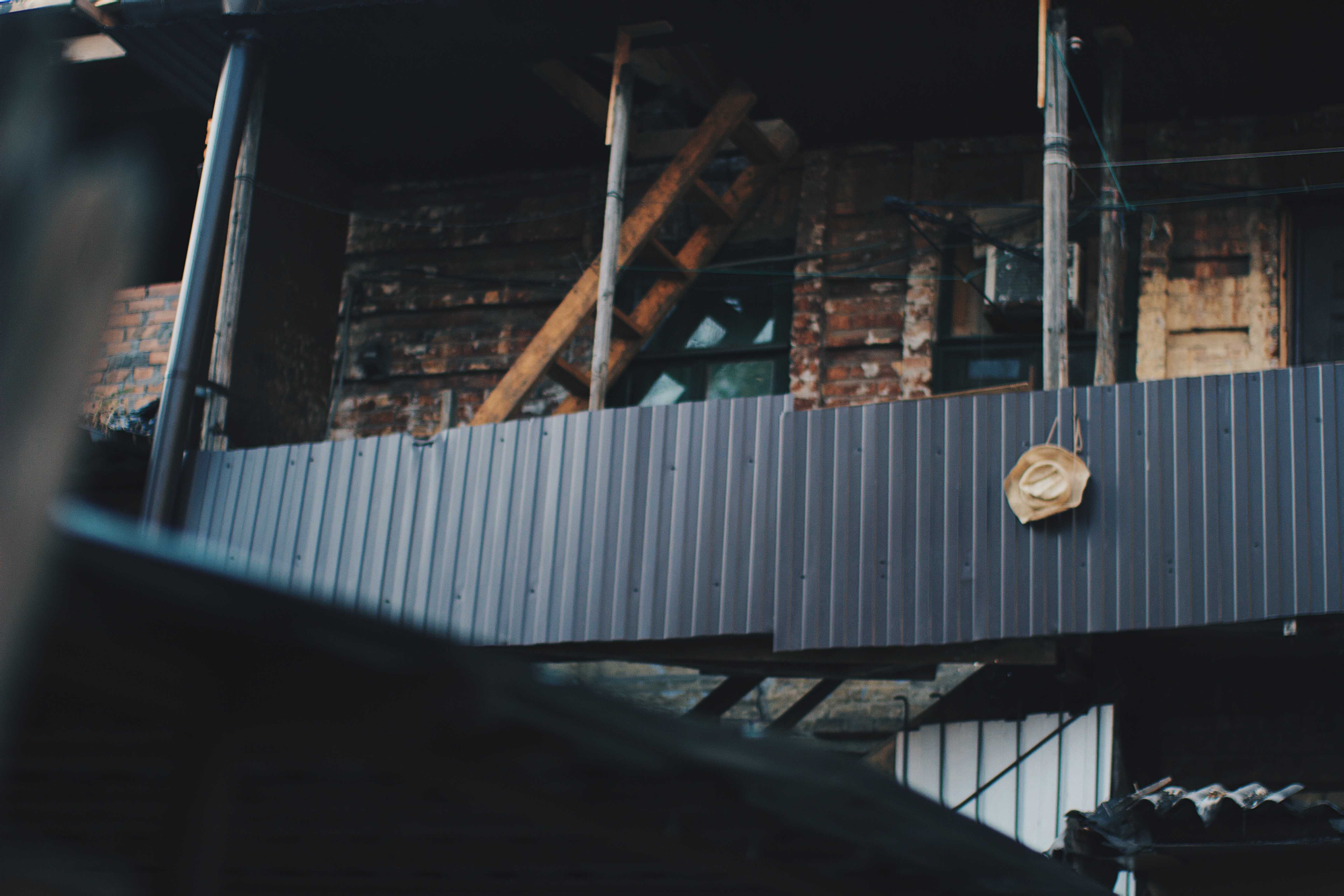
We can complete a variety of container modifications to suit your needs. From adding man doors and windows to installing insulation, roll-up doors, shelving, and electrical systems, our modifications enhance the functionality of your container.
Shipping Container Rentals
Not ready to buy? We also offer the choice to rent any of our used containers at low, competitive rates. Our versatile containers are suitable for various applications, making them a practical solution for numerous needs.
Get in Touch Today
We're ready to assist your shipping needs.
Alberta's Shipping Container Hub
Serving Alberta since 1976 with quality and reliability.